
Skinpres t refers to a loosely defined digital concept often associated with skin presets, UI customization tools, or automation scripts used to modify visual interfaces. It is typically discussed in developer and modding communities, but its legitimacy, functionality, and safety depend heavily on the source, implementation method, and platform compatibility.
Skinpres t = A term linked to skin presets or interface customization tools, often used to modify digital environments such as apps, games, or web interfaces through scripts or predefined visual configurations.
Definition and Core Meaning
Skinpres t is not a formally recognized software, protocol, or standardized tool. Instead, it is a contextual term used across online communities to describe systems or utilities that enable visual customization through presets (pre-configured settings).
In most discussions, it refers to:
- Predefined UI/UX configurations
- Script-based customization tools
- Skin modification frameworks
From a technical perspective, skinpres t falls under the broader domain of:
- User Interface (UI) customization
- User Experience (UX) personalization
- Automation-assisted design modification
These tools operate by applying prebuilt visual rules—often defined in code—to alter layouts, colors, styles, or structural elements of an interface.
Origin and Where the Term Comes From
The term “skinpres t” does not originate from an official release, company, or documented software product. Instead, it appears to have evolved from:
- Developer forums
- Modding communities
- Open-source repositories such as GitHub
- Niche UI customization discussions
This type of naming pattern is common in experimental or underground tools where:
- Naming is inconsistent
- Documentation is limited
- Usage is community-driven
(According to industry practices, loosely defined tool names often emerge in early-stage or experimental ecosystems.)
Common Interpretations
Depending on context, skinpres t can refer to several related concepts:
1. Skin Preset Systems
Pre-configured design templates that instantly change:
- Colors
- Layout structures
- Typography
2. UI Customization Utilities
Tools that allow users to modify interface elements without redesigning from scratch.
3. Automation Scripts
Code-based solutions (e.g., JavaScript or Python) that:
- Apply changes dynamically
- Automate repetitive UI modifications
How Skinpres T Works (Technical Breakdown)
Underlying Concept
At its core, skinpres t operates on a preset-driven transformation model, where:
- A predefined configuration (preset)
- Is applied to a system
- Resulting in visual or structural changes
This aligns with how modern UI systems function, particularly in:
- Theme engines
- Design systems
- Component-based frameworks
Possible Technologies Involved
Skinpres t implementations may involve multiple technologies, depending on context:
Frontend Technologies:
- CSS (for styling changes)
- JavaScript (for dynamic behavior)
Backend or Script-Level Tools:
- Python scripts
- API-based integrations
Framework-Level Integration:
- UI libraries
- Component systems
These technologies work together to:
- Modify appearance
- Inject styles
- Override default settings
Workflow Example
| Step | Action | Description |
|---|---|---|
| 1 | Input Selection | User selects a preset or configuration |
| 2 | Processing | Script or system applies transformation rules |
| 3 | Rendering | UI elements are updated visually |
| 4 | Output | Customized interface is displayed |
How It Works
- Input → Preset selection
- Processing → Script or engine applies changes
- Output → Modified UI/UX
This model is widely used in modern design systems and theme engines.
Key Features and Functional Capabilities
Customization Options
Skinpres t-like tools typically enable:
- Color scheme changes
- Layout restructuring
- Component styling
- Theme switching
These features reduce the need for manual coding by offering ready-made configurations.
Automation Capabilities
Automation is a core advantage. Instead of editing each UI element manually:
- Scripts apply bulk changes
- Presets standardize design updates
This aligns with automation practices in modern development workflows.
Compatibility with Platforms
Compatibility varies significantly depending on implementation. Skinpres t may work with:
- Web applications
- Game interfaces
- Software dashboards
However, lack of standardization often leads to:
- Platform restrictions
- Version conflicts
Discover more about Bntamnh E Guide – Uses, Safety, and Real-World Applications
Real-World Use Cases and Applications
Gaming Skins & UI Customization
One of the most common applications is in gaming environments, where users:
- Modify character skins
- Customize HUD (Heads-Up Display)
- Enhance visual experience
Such practices are common in modding ecosystems.
Web Interface Personalization
Developers and designers use preset systems to:
- Quickly test UI variations
- Apply branding changes
- Optimize user experience
Developer Testing Environments
Skinpres t concepts are useful in:
- A/B testing
- UI prototyping
- Rapid iteration cycles
Digital Design Prototyping
Designers can:
- Experiment with layouts
- Test visual hierarchies
- Validate UX decisions
Benefits and Limitations
Advantages
| Benefit | Explanation |
|---|---|
| Time-saving | Eliminates need for manual design edits |
| High customization | Flexible visual control |
| Efficiency | Rapid UI transformation |
| Scalability | Apply changes across multiple components |
Limitations
| Limitation | Explanation |
|---|---|
| Security risks | Unknown or unverified scripts |
| Compatibility issues | Not all platforms support presets |
| Lack of documentation | Difficult to troubleshoot |
| Unclear origin | No official standard or authority |
Safety Warning Box
Because skinpres t is not standardized:
- Always verify the source
- Avoid unknown downloads
- Check permissions carefully
(According to cybersecurity best practices, unverified scripts pose potential risks.)
Safety, Risks, and Legitimacy Analysis
Is Skinpres T Safe?
The safety of skinpres t depends entirely on:
- Source credibility
- Code transparency
- Platform permissions
There is no universal safety guarantee.
Organizations like OWASP emphasize that:
- Unverified scripts can introduce vulnerabilities
- External code execution increases risk exposure
Common Security Concerns
1. Malware Risks
Untrusted scripts may include:
- Malicious code
- Hidden payloads
2. Data Privacy Issues
Some tools may request:
- Access to user data
- System-level permissions
3. Unauthorized Modifications
Improper usage can:
- Break application functionality
- Violate platform policies
Verification Checklist
| Check | Why It Matters |
|---|---|
| Source authenticity | Ensures tool is legitimate |
| Code transparency | Allows inspection for risks |
| Permissions required | Prevents overreach |
| Community feedback | Validates trustworthiness |
| Update frequency | Indicates active maintenance |
Key Takeaways
- Skinpres t is a community-driven concept, not official software
- Primarily used for UI customization and presets
- Offers efficiency and flexibility, but with security risks
- Requires careful verification before use
Skinpres T vs Similar Tools and Systems
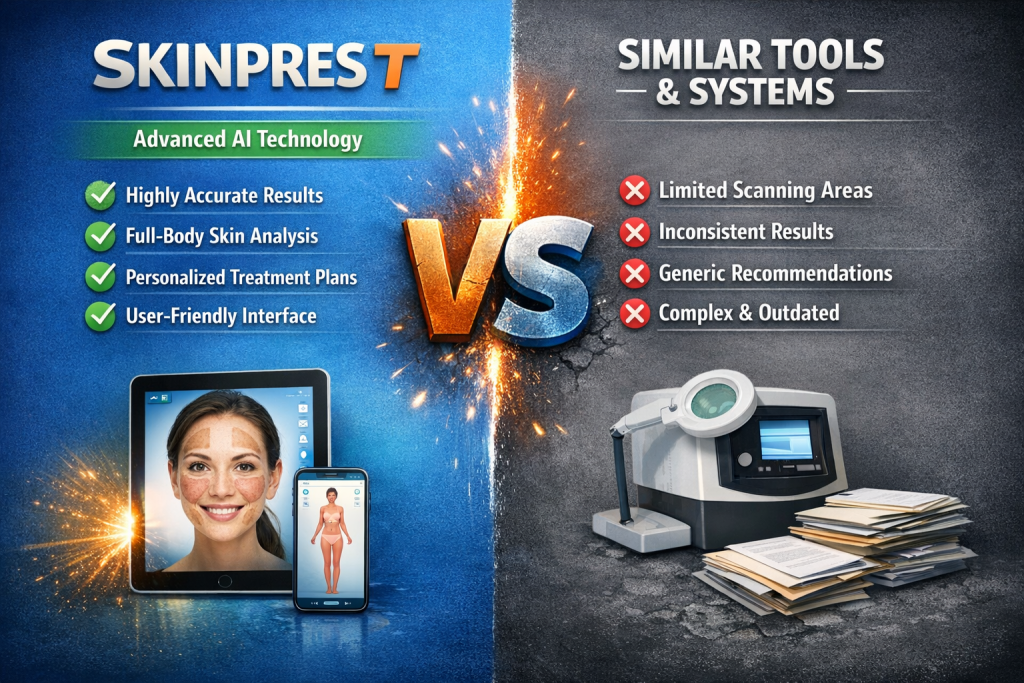
Understanding how skinpres t compares to established customization tools is critical for evaluating its practicality and risks.
Comparison with Traditional Skin and Theme Tools
| Feature | Skinpres T | Traditional Skin Tools |
|---|---|---|
| Flexibility | High (script-based) | Moderate (predefined themes) |
| Ease of Use | Low–Moderate | High |
| Risk Level | Medium–High | Low |
| Documentation | Limited | Extensive |
| Official Support | None | Available |
| Customization Depth | Advanced | Restricted |
Key Differences Explained
1. Standardization vs Flexibility
Traditional tools follow structured frameworks, while skinpres t operates in a non-standardized environment, offering more flexibility but less reliability.
2. Security Model
Verified tools follow strict security practices, whereas skinpres t often relies on community trust rather than formal validation.
3. Use Case Scope
Skinpres t is typically used in:
- Experimental environments
- Developer-level customization
- Niche applications
Comparison Insight
- Skinpres t = flexible but risky
- Traditional tools = stable but limited
- Best choice depends on use case and risk tolerance
Industry Perspective and Expert Insights
Developer Viewpoint
From a development perspective, systems like skinpres t align with:
- Modular design principles
- Component-based UI frameworks
- Rapid prototyping workflows
Developers often prefer preset-based systems because they:
- Reduce repetitive coding
- Enable fast iteration
- Improve workflow efficiency
(According to software engineering practices, reusable components significantly improve development speed.)
Cybersecurity Considerations
Security experts emphasize caution when dealing with unofficial tools. Guidelines from OWASP highlight:
- Avoid executing unverified scripts
- Validate permissions before installation
- Use sandbox environments for testing
Key principle:
“Any external script introduces a potential attack surface.”
Trends in UI Customization Tools
The broader industry is moving toward:
- Low-code and no-code customization
- AI-assisted UI generation
- Dynamic theming systems
Major development ecosystems hosted on GitHub show increasing adoption of:
- Open-source UI frameworks
- Theme engines
- Customization plugins
(Based on repository trends and developer activity data.)
How to Use Skinpres T
Basic Setup Guide
If a tool labeled as skinpres t is encountered, the general workflow may include:
- Identify the source (repository or platform)
- Review documentation (if available)
- Inspect the codebase
- Install or integrate with target system
- Apply presets or scripts
Best Practices
- Use only trusted repositories
- Test in isolated environments
- Backup original configurations
- Monitor system behavior after applying changes
Common Mistakes to Avoid
| Mistake | Impact |
|---|---|
| Downloading from unknown sources | Security compromise |
| Ignoring permissions | Data exposure |
| Applying presets blindly | System instability |
| Skipping backups | Irreversible changes |
Safety Takeaway
- Never trust unknown scripts
- Always verify before execution
- Use controlled environments for testing
Future Outlook and Evolution
Growth of Customization Tools
The demand for UI personalization continues to grow due to:
- Increased user expectations
- Brand differentiation needs
- Cross-platform experiences
Skinpres t-like concepts may evolve into:
- More structured tools
- Verified customization ecosystems
Integration with AI and Automation
Modern systems are shifting toward:
- AI-generated UI themes
- Automated design optimization
- Real-time customization engines
These advancements reduce reliance on:
- Manual scripts
- Unverified presets
Potential Regulations and Standardization
As risks increase, industry bodies may enforce:
- Security standards for customization tools
- Platform-level restrictions
- Code verification mechanisms
This aligns with broader cybersecurity frameworks promoted by organizations like OWASP.
Use Case Mapping Table
| Use Case | Suitability | Risk Level |
|---|---|---|
| Gaming customization | High | Medium |
| Web UI testing | High | Low |
| Production systems | Low | High |
| Personal projects | Moderate | Medium |
Summary
- Skinpres t is a non-standard, community-driven concept
- Offers advanced customization capabilities
- Carries moderate to high risk depending on usage
- Requires technical understanding and verification
Conclusion
Skinpres t represents a broader category of preset-driven UI customization systems rather than a single verified tool. Its value lies in flexibility and efficiency, particularly in development and experimental environments. However, the absence of standardization and official validation introduces notable risks.
For safe usage:
- Prioritize verified sources
- Follow cybersecurity best practices
- Avoid deploying in sensitive or production environments
(Based on established development and security standards.)
People Also Ask
1. What exactly is skinpres t used for?
Skinpres t is typically used for applying preset-based visual customizations to interfaces, including UI themes, layouts, and design elements.
2. Is skinpres t safe or a scam?
It is not inherently safe or unsafe. Safety depends on the source and implementation. Unverified scripts may pose security risks.
3. Does skinpres t require coding knowledge?
In most cases, yes. Basic understanding of scripting or UI systems is required for safe and effective use.
4. Can skinpres t be used in games?
Yes, it may be used in gaming environments for UI or skin customization, but it may violate platform policies depending on implementation.
5. Are there alternatives to skinpres t?
Yes, traditional theme engines, UI frameworks, and built-in customization tools offer safer and more stable alternatives.
6. Does skinpres t affect performance?
It can, depending on how the scripts are implemented. Poorly optimized presets may reduce performance.
7. Where can you find skinpres t tools?
They are typically found in developer communities, forums, or repositories like GitHub.
References
OWASP
https://owasp.org/www-project-top-ten/ GitHub
https://github.com Mozilla Developer Network
https://developer.mozilla.org NIST
https://www.nist.gov/cyberframework W3C
https://www.w3.org/standards/
