
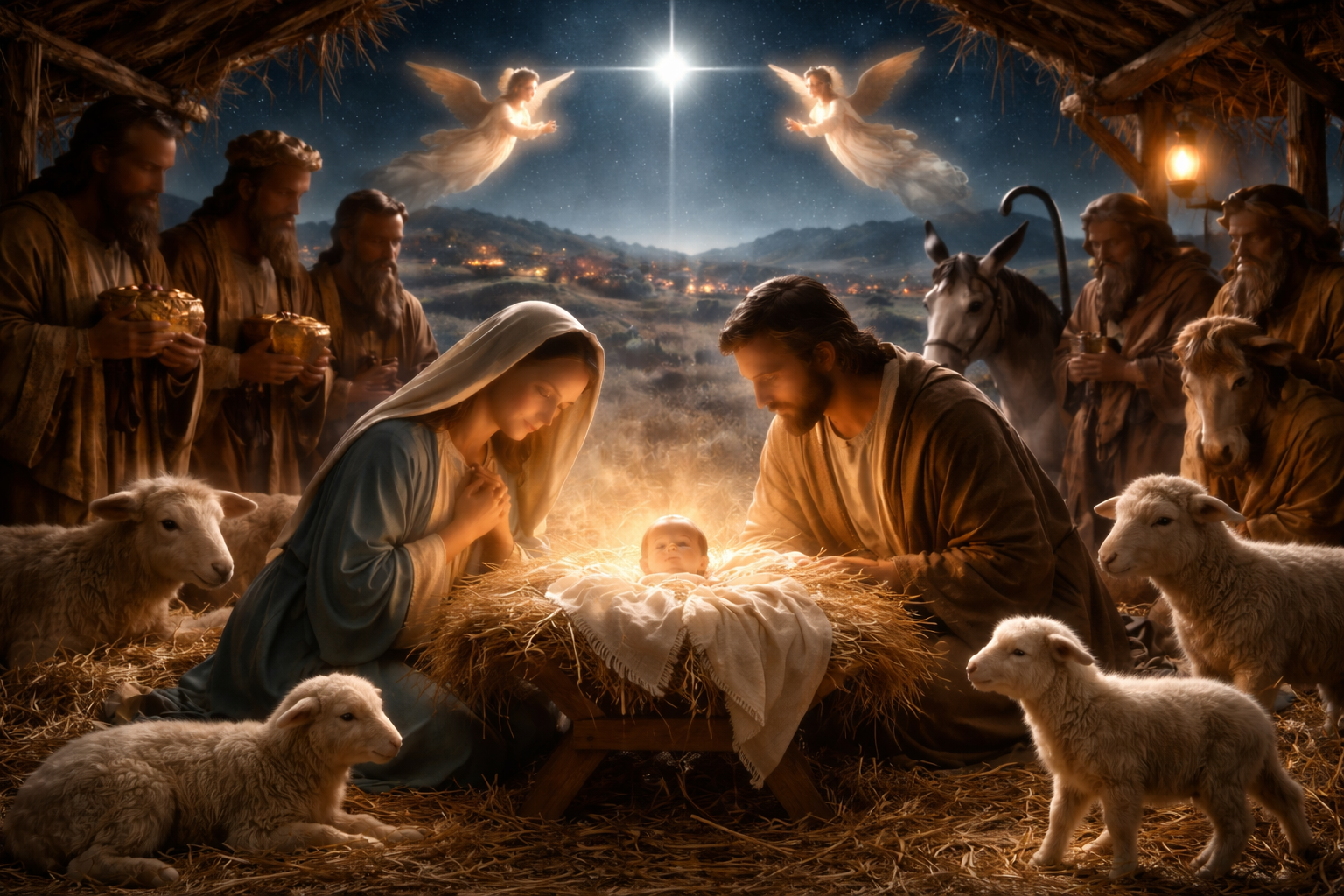
Nativität is a German term meaning “nativity,” most commonly referring to the birth of Jesus Christ. It represents a central event in Christianity and is widely depicted through nativity scenes, religious texts, and Christmas traditions that symbolize humility, hope, and spiritual significance.
Nativität = The birth (nativity) of Jesus Christ, especially as described in Christian teachings, art, and global Christmas traditions.
Definition and Linguistic Origin
The word “Nativität” originates from the Latin term nativitas, meaning birth. In German usage, it specifically refers to the birth of Jesus Christ, making it a deeply religious and culturally significant term.
Linguistically:
- German: Nativität
- English: Nativity
- Latin root: Nativitas (birth)
Unlike generic references to birth, the term is strongly associated with Christian theology, where it denotes a foundational spiritual event.
Religious Context
In Christianity, Nativität refers to the moment when Jesus Christ was born in Bethlehem. This event is central to the doctrine of the Incarnation, which teaches that God became human.
Key theological aspects include:
- Fulfillment of prophecy
- Divine incarnation
- Beginning of salvation narrative
(According to biblical teachings, this event marks a turning point in human spiritual history.)
Broader Meaning and Symbolic Interpretation
While primarily religious, Nativität also carries broader symbolic meanings:
- New beginnings
- Hope and renewal
- Humility and simplicity
These interpretations extend beyond theology into:
- Art
- Literature
- Cultural traditions
Summary: Meaning
- Nativität = birth of Jesus Christ
- Rooted in Latin nativitas
- Symbolizes hope, humility, and divine presence
Biblical and Historical Background
Nativity Story in the Bible
The story of the Nativität is primarily described in two New Testament texts:
- Gospel of Luke
- Gospel of Matthew
These accounts provide complementary perspectives on the birth of Jesus Christ.
Key Events in the Nativity Narrative
| Event | Description |
|---|---|
| Announcement | Angel announces birth to Mary |
| Journey | Mary and Joseph travel to Bethlehem |
| Birth | Jesus is born in a humble setting |
| Visitors | Shepherds and Wise Men arrive |
| Sign | Star guides the Wise Men |
Key Figures in the Nativity Story
Mary
Central figure chosen to give birth to Jesus. Represents purity and obedience.
Joseph
Protector and earthly guardian, symbolizing faith and responsibility.
Shepherds
Represent humility and the common people.
Wise Men (Magi)
Symbolize wisdom and recognition of divine authority.
Historical Context of the Birth
The Nativität took place in:
- Bethlehem
- During Roman rule in Judea
Key contextual factors:
- Census under Roman authority
- Limited accommodation leading to humble birth setting
- Socio-political instability
(According to historical interpretations, these conditions emphasize the modest circumstances of the event.)
Timeline Table: Nativity Context
| Period | Event |
|---|---|
| Roman Era | Judea under Roman control |
| Journey Phase | Travel to Bethlehem |
| Birth Event | Nativity occurs |
| Early Recognition | Shepherds and Magi visit |
Nativity Scenes (Krippe) and Their Symbolism
What is a Nativity Scene?
A nativity scene, often called a “crib” or “Krippe” in German, is a visual representation of the Nativität. It typically includes figures and elements that recreate the birth of Jesus Christ.
These displays are used in:
- Churches
- Homes
- Public spaces
Common Elements and Their Meanings
| Element | Symbolic Meaning |
|---|---|
| Manger | Humility and simplicity |
| Star | Divine guidance |
| Shepherds | Ordinary people |
| Wise Men | Wisdom and recognition |
| Animals | Peace and natural harmony |
Origins of Nativity Displays
The tradition of nativity scenes is widely attributed to Saint Francis of Assisi in the 13th century. He created the first live nativity display to help people understand the story visually.
(According to historical records, this innovation made religious teachings more accessible to the general public.)
Summary: Symbolism
- Every element represents a deeper spiritual meaning
- Focus on humility, guidance, and recognition
- Visual storytelling enhances understanding
Cultural Importance of Nativität
Role in Christmas Celebrations
Nativität is central to the celebration of Christmas. It provides the foundational narrative behind:
- Religious ceremonies
- Festive traditions
- Community gatherings
Religious vs Secular Interpretations
| Perspective | Interpretation |
|---|---|
| Religious | Birth of Jesus as divine event |
| Secular | Cultural and festive symbolism |
Educational and Family Traditions
Families use nativity scenes to:
- Teach children religious stories
- Preserve cultural heritage
- Encourage moral values
These traditions are passed across generations, maintaining relevance in modern society.
Global Traditions and Variations
Europe (Germany, Italy, Spain)
In Europe, Nativität traditions are deeply rooted:
- Germany: Christmas markets and detailed nativity displays
- Italy: Elaborate handcrafted scenes
- Spain: Public nativity exhibitions
Latin America
Countries celebrate with traditions like:
- Processions
- Reenactments
- Community gatherings
These often blend religious meaning with local culture.
North America
In North America:
- Nativity scenes are displayed in homes and churches
- Public displays may vary due to cultural diversity
Unique Cultural Adaptations
Different regions adapt the Nativität to reflect:
- Local clothing
- Architecture
- Cultural symbols
(According to cultural studies, this localization enhances relatability and engagement.)
Discover more about Skinpres T Explained: Uses, Safety, Risks & Real Guide (2026)
Global Traditions Comparison Table
| Region | Key Feature | Style |
|---|---|---|
| Europe | Traditional displays | Detailed and historical |
| Latin America | Community reenactments | Interactive |
| North America | Home displays | Simplified |
Key Takeaways
- Nativität is both religious and cultural
- Rooted in biblical accounts
- Expressed through art, traditions, and celebrations
- Adapted globally with unique variations
Nativität in Art, Literature, and Media
Representation in Classical Art
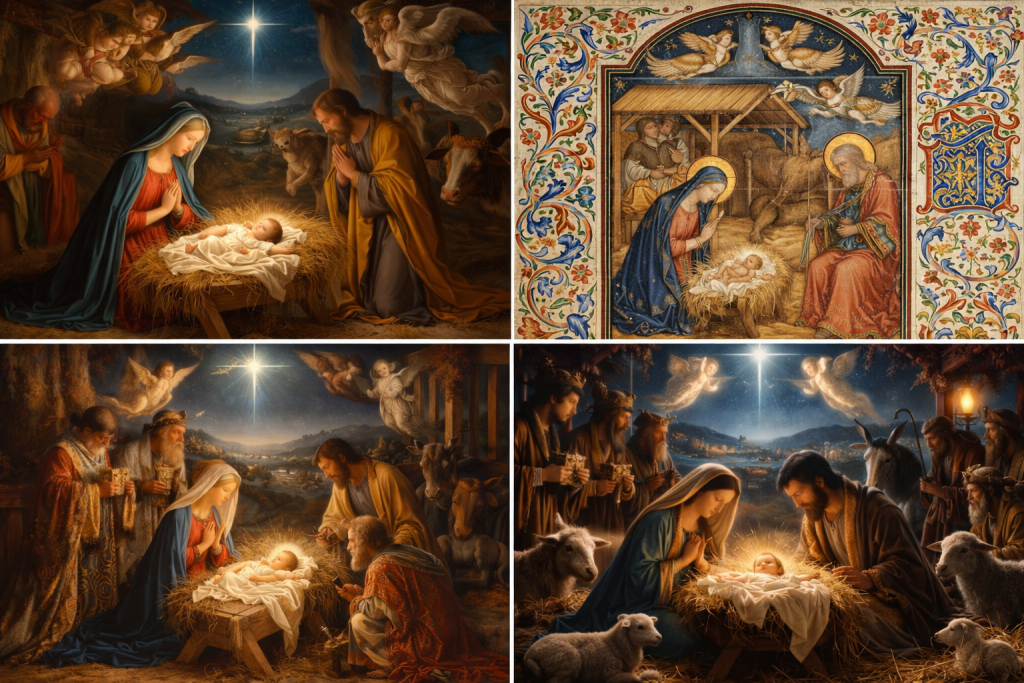
The birth of Jesus Christ has been one of the most frequently depicted themes in Western art history. During the Renaissance, artists explored this moment not just as a religious event but as a study of light, emotion, and human connection.
Notable contributors include:
- Leonardo da Vinci
- Sandro Botticelli
These works often emphasize:
- Soft lighting to symbolize divinity
- Human expressions to create emotional depth
- Balanced compositions to guide viewer focus
(According to art history standards, nativity-themed works played a key role in developing perspective and realism.)
Influence in Literature and Music
The nativity narrative has shaped centuries of:
- Religious hymns
- Poetry
- Classical compositions
Common themes include:
- Peace and redemption
- Humility of origin
- Universal hope
In many cultures, songs and readings during Christmas still center around this foundational story, reinforcing its continuity across generations.
Modern Media and Interpretation
In contemporary settings, the story appears in:
- Films and documentaries
- Educational content
- Digital illustrations
Modern interpretations often aim to:
- Simplify the narrative for wider audiences
- Highlight universal values rather than doctrine
- Connect tradition with present-day contexts
Summary : Cultural Expression
- Strong presence in art, music, and storytelling
- Evolved from religious teaching to global cultural symbol
- Continues to adapt across modern media formats
Symbolism and Deeper Meaning
Spiritual Interpretation
At its core, the narrative represents the concept of divine presence entering the human world. In Christian theology, this is tied to the idea of incarnation—where the spiritual becomes tangible.
Key symbolic layers include:
- Light in darkness (guidance and hope)
- Simplicity over power (birth in modest conditions)
- Accessibility (message meant for all people)
(According to theological interpretations, these symbols reinforce moral and spiritual teachings.)
Themes of Hope, Humility, and Renewal
Across cultures, three consistent themes appear:
| Theme | Meaning |
|---|---|
| Hope | Promise of a better future |
| Humility | Importance of simplicity |
| Renewal | Beginning of transformation |
These themes are not limited to religion—they are often used in:
- Motivational literature
- Social values education
- Cultural storytelling
Contemporary Interpretations
Today, many people engage with the concept in a broader sense:
- As a symbol of kindness and generosity
- As a reminder of shared human values
- As part of seasonal traditions
This shift reflects how historical narratives evolve while retaining their core meaning.
Comparative Interpretation — Religious vs Cultural
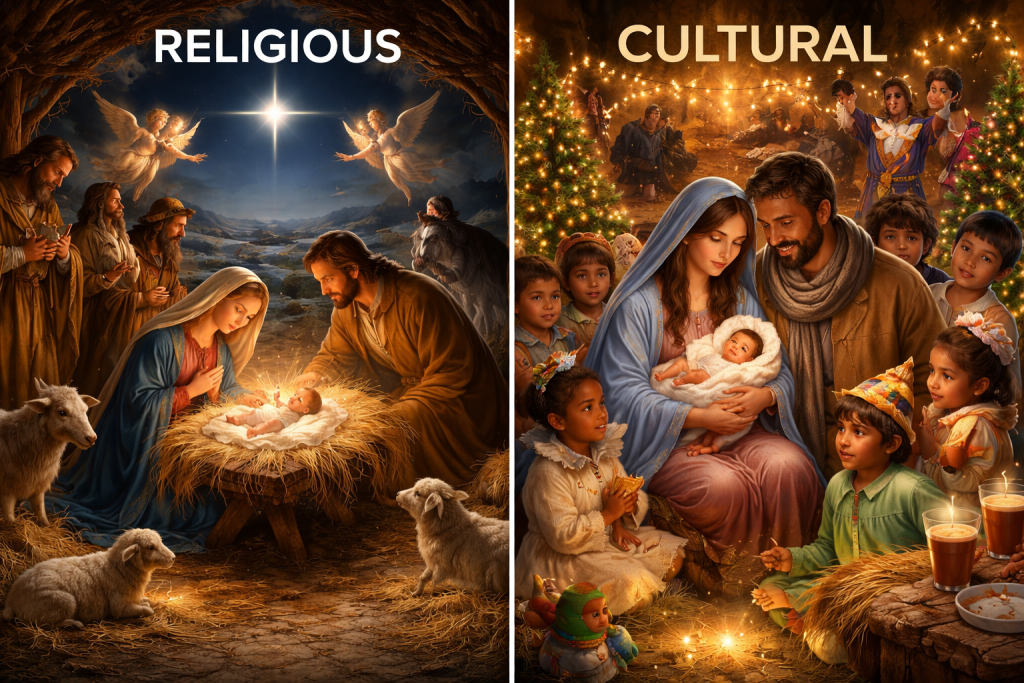
Understanding the distinction between religious and cultural perspectives helps clarify its relevance in modern society.
Comparison Table
| Aspect | Religious Perspective | Cultural Perspective |
|---|---|---|
| Core Meaning | Divine birth | Symbolic celebration |
| Purpose | Spiritual teaching | Tradition and community |
| Usage | Church and theology | Festivals and media |
| Focus | Faith-based | Value-based |
Key Insight
- Religious view focuses on doctrine
- Cultural view emphasizes shared values
- Both coexist in modern society
Practical Relevance in Today’s World
Educational Value
The story is widely used in:
- Schools
- Religious education programs
- Cultural studies
It helps explain:
- Historical traditions
- Moral frameworks
- Symbolic storytelling
Social and Cultural Impact
Across regions, it influences:
- Seasonal celebrations
- Community bonding
- Artistic expression
Public displays and events often serve as:
- Cultural landmarks
- Tourist attractions
- Educational tools
Personal Interpretation
For many individuals, the meaning becomes personal rather than institutional. It may represent:
- Reflection and gratitude
- Family traditions
- A sense of continuity
(According to cultural anthropology studies, shared narratives strengthen community identity.)
Use Case Mapping Table
| Context | Application | Relevance |
|---|---|---|
| Religious practice | Worship and teaching | High |
| Education | Storytelling and history | High |
| Art and design | Visual representation | High |
| Media | Films and content | Moderate |
Summary
- Rooted in historical and religious context
- Expanded into global cultural traditions
- Rich in symbolism and interpretation
- Continues to evolve with modern society
Conclusion
Nativität is more than a single event—it is a concept that has shaped religious belief, artistic expression, and cultural identity for centuries. While its origins lie in Christian theology, its influence extends far beyond, offering themes that remain relevant in both traditional and modern contexts.
Its continued presence across art, education, and celebrations reflects its adaptability and enduring significance.
FAQs
1. What does Nativität mean in English?
It translates to “nativity,” referring to the birth of Jesus Christ.
2. Why is the nativity important in Christianity?
It marks the beginning of the life of Jesus and represents the concept of divine presence in human form.
3. What are the main symbols in a nativity scene?
Common symbols include the manger (humility), the star (guidance), shepherds (simplicity), and wise men (wisdom).
4. Who are the key figures in the nativity story?
Main figures include Mary, Joseph, shepherds, and the wise men.
5. When did nativity scenes originate?
They are commonly traced back to Saint Francis of Assisi in the 13th century.
6. Is Nativität only a religious concept?
No. While it has religious origins, it is also widely recognized as a cultural and symbolic tradition.
7. How is it represented today?
Through art, decorations, educational materials, and seasonal celebrations across different cultures.
References
Britannica
https://www.britannica.com/topic/Nativity-Christianity Vatican
https://www.vatican.va Gospel of Luke
https://www.biblegateway.com/passage/?search=Luke+2 Gospel of Matthew
https://www.biblegateway.com/passage/?search=Matthew+2 The Metropolitan Museum of Art
https://www.metmuseum.org/toah/hd/nati/hd_nati.htm
